
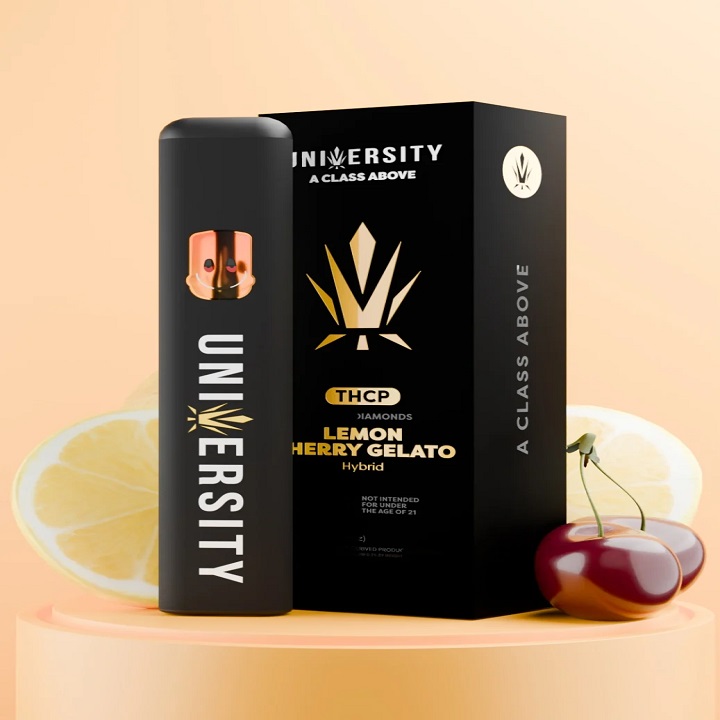
Trap University explores one of the most talked-about cannabinoids today: THC P. This guide walks through what it is, how it feels, and why more people are talking about it. You can view the full post at THC P: What It Is and Why It’s Gaining Popularity.
What Is THC P?
THC P, also called tetrahydrocannabiphorol, is a cannabinoid found in cannabis in small amounts. It has a similar base structure to Delta‑9 THC but contains a longer tail on its molecule. This change allows it to connect more strongly with receptors in the body that respond to cannabinoids.
Some studies suggest that THC P may bind much more tightly to the CB1 receptor than Delta‑9. That does not always mean the effects are much stronger, but users often say they feel a clearer, deeper experience even from a small dose.
Why More People Are Talking About THC P
The growing interest in THC P comes from how different the experience can be.
- People who use it often say that the effects last longer than those from Delta‑9.
- The compound seems to produce a calm, strong body feeling along with mild mental clarity.
- Since only a small amount may be needed, many are trying it as a low-dose alternative to more common THC products.
It is also part of a broader shift. Cannabis users are now exploring a wider range of plant compounds, and THC P is one of the newer ones being discussed.
What You May Feel When Using THC P
What People Report
The original article from Trap University describes a few common reactions:
- After inhaling a small amount, people often say they feel relaxed and steady within about ten minutes.
- Tinctures may take longer to take effect but often produce a smooth, long-lasting calm.
- Many describe a sensation that is both clear in the head and grounding in the body.
The feedback does not describe a rush or fast high. Instead, users talk about a steady, full-body response that feels natural but strong.
Popular Ways to Try It
Some of the more common forms are:
- Vape cartridges: Known for their fast onset and small, controlled doses.
- Tinctures: Used by those who prefer slower effects that last.
- Microdose edibles: Less widely available but used by some.
The article strongly advises starting with a very low dose, especially for first-time users.
How THC P Works Differently Than Regular THC
A Look at the Chemistry
THC P connects with CB1 receptors in the body more firmly than Delta‑9 THC because of its extended carbon chain. This stronger bond may explain why effects can appear from smaller amounts.
The guide reminds readers that strength is not only about milligrams. Body chemistry, product type, and tolerance all play a role in how someone responds to this compound.
Starting Guide for Beginners
For those trying THC P for the first time, this plan can help:
- Read about it before using. The guide on Trap University is a useful place to begin.
- Decide on how to take it. Inhaled forms act faster; tinctures are slower.
- Begin with a very small amount. Even one milligram may be enough.
- Wait and observe. Effects can take time, and doubling up too soon may lead to discomfort.
- Adjust slowly if needed. Only increase slightly after the first try.
- Take notes. Keep track of how it felt and how long it lasted.
Why Trap University Wrote This Article
Trap University offers learning materials for people who want to better understand cannabis compounds. The articles are simple, clear, and based on current findings.
The site has other posts that compare THC P to both THC and THCA. This makes it easier to place THC P in context and understand how it may fit into different personal routines.
The tone of the article is calm and steady, with a focus on safety and awareness. It is not meant to convince or persuade. It only shares what is currently known and what users have said.
Safe Use and Practical Tips
The article offers several reminders worth noting:
- Start small. The compound is more potent than most users expect.
- Effects may build slowly. Be patient before choosing to take more.
- THC P is not the same as Delta‑9 or Delta‑8. It may require new habits.
- Always check local rules and product labels.
The site does not claim medical results. It only describes what people have noticed when using this compound. That helps avoid confusion and keeps expectations realistic.
What Makes THC P Stand Out
| Feature | Detail |
| Strength | Effects may begin at low amounts |
| Speed of Onset (inhaled) | Often felt within minutes |
| Duration | Can last longer than standard THC |
| Type of Effect | A balance between body calm and mental ease |
When People Might Choose THC P
- A cannabis user may choose THC P to relax after work, taking one or two small puffs from a pen and waiting to feel the results.
- Someone creating music or art might try a microdose from a tincture to help settle the body and clear the mind.
- A person curious about new cannabinoids may take a low amount and observe how it compares to their usual product.
Each case reflects a slow, measured approach. This matches how Trap University frames the conversation—low pressure, high awareness.
Where To Learn More
People are exploring new types of cannabis compounds, and THC P is drawing attention for how it acts and how it feels. For those seeking better understanding before trying it, Trap University offers a helpful article that covers the basics.
Read the full article: THC P — What It Is and Why It’s Gaining Popularity