When someone searches Mushroom chocolate, they are usually trying to solve one of two things:
- They want a chocolate treat made with functional mushrooms (like lion’s mane, reishi, cordyceps, chaga, etc.) for a wellness-style routine, without intoxication.
- They have seen shroom bars mentioned online and are unsure what is actually inside, what is legal, and what is safe to buy.
Those two categories get mixed together a lot. The packaging can look similar, the language can be vague, and some sellers use trendy terms that do not clearly explain ingredients. If you are shopping, the first win is simple: understand what type of product you are looking at before you even compare flavors or prices.
The two main types you will see
Functional mushroom chocolate (non-intoxicating)
This is the “daily routine” version. It is typically chocolate blended with powdered mushrooms or mushroom extracts that are not meant to cause a high. People buy it because they like the idea of adding mushrooms to a snack, or because they want a more “purposeful” chocolate treat.
What matters most here is ingredient clarity, quality control, and whether the product is actually formulated well (not just sprinkled with a tiny amount for marketing).
Psychedelic-claimed products (high legal risk)
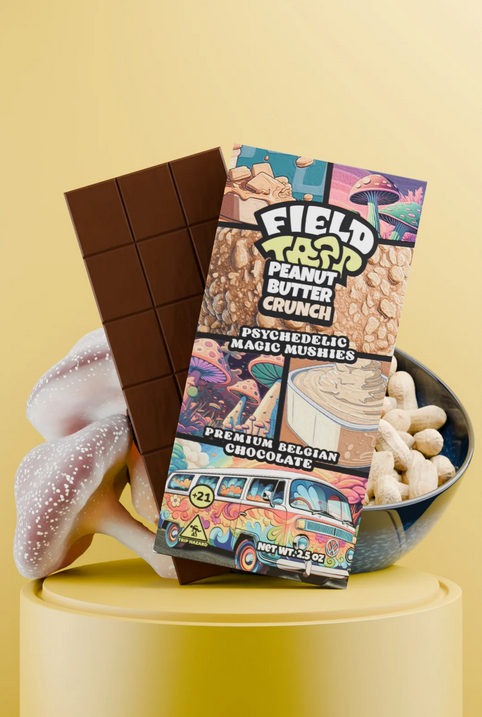
Some products marketed under Mushroom chocolate or shroom bars are advertised for mind-altering effects. In many places, those products are illegal or exist in gray areas. Even where laws are changing, the bigger issue is inconsistency: you cannot assume the label is accurate, and you cannot assume the contents are tested or clean.
If you are looking for something legal and predictable, your safest path is to avoid anything that implies psychedelic effects and stick to clearly labeled functional mushroom products.
What people usually want to know before buying
Most buyers are not asking for hype. They want clarity:
- “Is this intoxicating or not?”
- “What mushrooms are in it, and how much?”
- “Does it taste like mushrooms?”
- “Is the chocolate actually good?”
- “Can I trust the labeling and quality?”
- “Will this fit my routine (daytime vs evening, sweet vs dark, low sugar vs standard)?”
A good product page should answer these directly. If it avoids the basics, that is a red flag.
What Mushroom chocolate should taste like (realistic expectations)
A well-made functional Mushroom chocolate should still taste like chocolate first.
You might notice:
- A mild earthy note (more common in darker chocolate)
- A slightly roasted or nutty finish (depending on cocoa and mushroom type)
- A faint bitterness (especially in higher-cacao bars)
If a product tastes aggressively “mushroomy,” it is often because the formula is heavy on raw powders or the chocolate base is low quality.
This is where the chocolate matters as much as the mushrooms.
Why belgian chocolate is a quality signal (but not a guarantee)
People search belgian chocolate for a reason: it often implies smoother texture, cleaner melt, and a richer cocoa profile. In mushroom blends, that smoother base can help mask earthy notes and keep the bar enjoyable.
But belgian chocolate is not a magic stamp. You still want to check:
- Cocoa percentage (especially if you prefer dark chocolate)
- Sweetener type (sugar, coconut sugar, sugar alcohols, etc.)
- Added flavors (mint, fruit, nut, cookie pieces)
- Allergen warnings (milk, soy, nuts, gluten)
If the bar tastes great but the ingredient list is vague, do not assume quality just because the label says belgian chocolate.
Common terms you will see: shroom bars and field trip
- shroom bars is often slang used online for mushroom-infused chocolate. Sometimes it refers to functional blends. Sometimes it refers to psychedelic-claimed products. The phrase itself does not tell you which one you are getting—only the ingredient panel does.
- field trip is a phrase some people use casually when they are talking about “an experience.” You might also see it used as a search term alongside Mushroom chocolate. If a listing leans into that kind of language without clear ingredients and legal context, treat it as a warning sign and slow down.
In short: trendy wording is not transparency.
How to choose: what to look for before you buy
1) Clear ingredient identity (the non-negotiable)
A trustworthy functional product will list:
- The mushroom species (not just “proprietary mushroom blend”)
- Whether it uses powder or extract
- Any added botanicals or stimulants (caffeine, guarana, etc.)
If you cannot tell what is inside, do not buy it.
2) Sensible formulation (not just marketing dust)
Many products use tiny amounts of mushrooms so they can advertise the label. A more serious formula will disclose quantities or at least give enough detail that you can understand the intent.
If there is no amount listed anywhere and the product description is mostly vibe words, assume the functional ingredients are minimal.
3) Quality and safety signals
For edible products, look for:
- Batch/lot information (even simple)
- Freshness dates or “best by” guidance
- Storage instructions (heat and humidity matter for chocolate)
- Basic quality claims that match the product category (no wild promises)
4) Chocolate preference: match it to your routine
Ask yourself:
- Do you want a dessert bar, or something less sweet?
- Dark chocolate vs milk chocolate?
- Do you want add-ins (nuts, cookie pieces), or a clean bar?
- Any dietary constraints (vegan, gluten-free, low sugar)?
The best Mushroom chocolate is the one you will actually enjoy eating consistently.
5) Packaging that takes responsibility seriously
Responsible brands do not package adult products like children’s candy. Even for functional products, you want packaging that is clear, not cartoonish, and not confusing.
Common mistakes buyers make (and how to avoid them)
Mistake 1: Buying based on the trend phrase alone
Words like Mushroom chocolate and shroom bars can mean very different things depending on the seller. Always read the ingredient details first.
Mistake 2: Assuming “natural” means “safe for everyone”
Chocolate can include allergens, stimulants, sugar alcohols, or herbs that do not agree with every person. “Natural” does not equal “universally tolerated.”
Mistake 3: Ignoring interactions and sensitivity
Even functional mushrooms and botanicals can feel different for different people. If you are pregnant, nursing, managing a health condition, or taking medications, it is smart to check with a qualified clinician before trying new supplements or blends.
Mistake 4: Not checking storage and shipping reality
Chocolate is sensitive to heat. If the retailer does not mention how they handle warm-weather shipping (or at least storage guidance), you may end up with a melted bar and a bad first impression.
Mistake 5: Chasing “stronger” instead of choosing smarter
With functional blends, more is not always better. A product that fits your taste, routine, and tolerance is more valuable than one that tries to sound intense.
Quick buyer checklist (save this)
Before you purchase Mushroom chocolate, confirm:
- The mushroom species are clearly listed
- The product is clearly non-intoxicating (if that is what you want)
- Ingredients and allergens are easy to find
- The chocolate base matches your preference (dark/milk, sweetness level)
- The label avoids vague claims and explains what it is
- Packaging and branding look adult and responsible
- Storage/shipping guidance exists (especially in warm climates)
If you cannot check most of these boxes, keep looking.
Shopping responsibly: calm, practical transparency
Mushroom chocolate sits at the intersection of food, supplements, and trend culture. That makes it easy for the category to get noisy.
A responsible approach is simple:
- Choose clarity over hype
- Choose ingredients you can understand
- Choose products that respect adult use and safe handling
- Avoid anything that implies illegal effects or offers “experience” language without clear legality and testing
If you are ever unsure what a product is, do not guess. Confusion is not a normal part of “shopping well.”
A soft next step
If your goal is a chocolate treat with functional mushroom ingredients, use the checklist above and compare products carefully. Focus on transparent labeling, sensible formulation, and a chocolate base you genuinely enjoy—because the best Mushroom chocolate is the one that fits real life, not just a trend.