
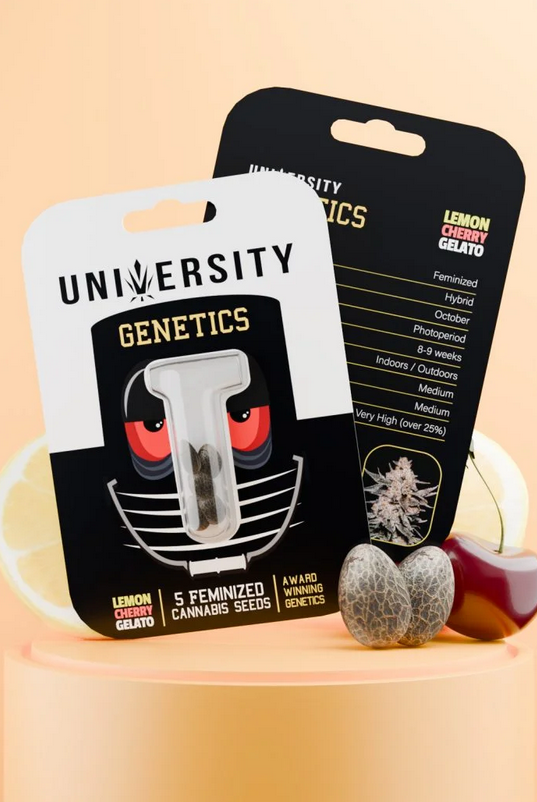
If you’re shopping for cannabis seeds, you’re probably trying to solve a simple problem: you want genetics you can trust, without wasting time (or money) on vague descriptions, sketchy quality, or seeds that don’t match your setup.
This guide breaks it down in plain language—what cannabis seeds are, the main types you’ll see, what details actually matter when choosing, and how to avoid the most common buying mistakes.
What you’re really buying when you buy cannabis seeds
At the most basic level, cannabis seeds are potential. A seed contains the genetic blueprint for what the plant can become—its general growth traits, cannabinoid potential, aroma tendencies, and how it may respond to light and time.
But here’s the part many people don’t realize at first: genetics set the ceiling, and your environment decides how close you get to it. The same strain can turn out very differently depending on lighting, temperature swings, nutrition, training, watering habits, and general consistency.
That’s why smart buyers focus on two things at the same time:
- Getting cannabis seeds from a source that cares about selection and quality control
- Matching the seed type and strain traits to what they can realistically manage
If you start with the wrong type for your space or schedule, even “top-shelf” genetics can feel disappointing.
The main types of cannabis seeds (and who each type is best for)
Most seed listings fall into a few common categories. Knowing these upfront saves you from impulse buys that don’t fit your plan.
Feminized seeds
Feminized seeds are bred to produce female plants in most cases. Since female plants are typically the ones grown for flower, feminized options are popular for people who want a straightforward path without dealing with male identification.
Best for:
- First-time growers who want fewer variables
- People focused on producing flower, not breeding projects
Regular seeds
Regular seeds can produce male or female plants. They’re often chosen by breeders or experienced growers who want to hunt for unique traits or make their own crosses.
Best for:
- Breeding projects
- Phenotype hunters who don’t mind extra work and selection
Autoflower seeds
Autoflowers are bred to transition from vegetative growth to flowering based on age rather than light cycle changes. They’re often quicker from start to finish and can be a practical choice for smaller spaces and simpler timing.
Best for:
- People who want a faster timeline
- Growers who prefer simpler light scheduling
- Smaller grow areas where plant size control matters
No type is “the best.” The best choice is the one that fits your reality.
Start with your setup, not the strain name
A lot of people choose cannabis seeds like they’re picking a snack: they go by the coolest name or the loudest description. A better approach is to choose based on your setup first, then pick the strain style you’ll enjoy.
Ask yourself:
- How much space do I really have? (Height matters as much as floor space.)
- How consistent can I be? (Some grows punish inconsistency more than others.)
- Do I need speed or flexibility? (Some genetics are faster; others allow more control.)
- How much odor control do I have? (Be honest—this affects strain choice.)
- What’s my climate like if I’m growing outdoors? (Humidity and temperature swings matter.)
When your setup and genetics match, the whole process feels smoother.
How to read a seed listing without getting played
Seed descriptions can be… enthusiastic. Here’s what’s usually meaningful, and what to take with a grain of salt.
Traits worth paying attention to
- Seed type: feminized, regular, or autoflower
- Growth style: photoperiod vs autoflower
- Flowering time range: a realistic window, not a “guarantee”
- Expected size: especially important indoors
- Difficulty level: helpful if it’s honest (and you’re honest with yourself)
- Aroma/terpene direction: broad notes are fine, but expect variation
- Indica/Sativa/Hybrid leaning: treat these as general growth/feel categories, not strict rules
Things that are often more marketing than reality
- Overconfident “percentage” claims without context
- Promises that every plant will look identical
- Descriptions that focus only on “potency” with no other details
- Vague claims like “top genetics” with no clarity on what that means
A good listing helps you predict the experience of growing the plant—how long it takes, how it behaves, and what conditions it prefers.
A simple “how to choose” method that works for most people
If you want a clean way to pick cannabis seeds without spiraling into endless options, use this five-step filter:
1) Confirm what’s allowed where you live
This sounds obvious, but it’s step one for a reason. Laws vary by location and can change. Only buy and grow where you’re permitted, and stick to adult-only purchasing rules.
2) Choose the seed type that fits your patience and experience
- Want fewer surprises? Consider feminized.
- Want speed and simplicity? Autoflowers may fit.
- Want to breed or hunt rare traits? Regular seeds can make sense.
3) Match the plant size to your space
If you’re indoors, height limits are real. Choose genetics that won’t outgrow your environment unless you’re prepared to manage them.
4) Pick the “vibe” you actually enjoy
Ignore internet trends and think about what you personally like: uplifting, relaxing, balanced, heavy, light, daytime-friendly, evening-only—whatever fits your lifestyle.
5) Buy from a source that feels transparent
Good cannabis seeds are only part of the equation. Clear product info, responsible policies, and responsive support matter when something goes sideways.
Quality signals: what trustworthy cannabis seeds usually have in common
You can’t test a seed the same way you test a finished product, so quality comes down to transparency and handling.
Look for signs like:
- Clear labeling (seed type, general traits, expected timeline)
- Packaging that protects seeds from light, moisture, and crushing
- Reasonable, realistic descriptions (not “miracle” language)
- A store that looks like it’s built for repeat customers, not one-time hype buys
- Support access if you have order issues or basic questions
And remember: even high-quality cannabis seeds are living things. Not every seed succeeds every time, especially if storage or germination conditions are off.
Common mistakes people make with cannabis seeds
A lot of frustration comes from totally avoidable missteps. Here are the big ones:
Buying a seed type that doesn’t match the plan
People buy regular seeds when they actually wanted a simple flower run, or they buy autoflowers expecting the same flexibility as photoperiod plants. The mismatch creates stress.
Overbuying before you’ve learned your environment
It’s tempting to stock up. But it’s smarter to run a smaller test first, learn what your space “likes,” then scale.
Treating strain names as guarantees
Even within the same strain name, phenotypes can vary. Expect a family resemblance, not exact clones.
Ignoring storage basics
Heat, humidity, and light can reduce viability over time. If you’re buying cannabis seeds, plan for proper storage immediately.
Chasing “strongest” instead of “best for you”
Potency chasing often leads to choices that don’t fit your tolerance, your schedule, or your preferences. Enjoyment is the real goal.
Quick buyer checklist for cannabis seeds
Use this before you click “order”:
- I’ve checked local rules and I’m buying/growing responsibly
- I know whether I want feminized, regular, or autoflower
- My space can handle the plant’s likely size
- I’m choosing based on my preferences, not hype
- The listing gives enough detail to make a real decision
- I have a plan to store seeds properly if I’m not using them right away
- I’m buying from a place that feels transparent and supportable
If you can check most of those boxes, you’re already ahead of the average buyer.
Shopping responsibly: what to expect after you order
Once your cannabis seeds arrive, treat them like something delicate, not something you can toss in a drawer and forget. Keep them cool, dry, and away from direct light. Avoid opening and handling them repeatedly “just to look,” because oils and moisture from hands aren’t helpful over time.
If you’re new, it’s also normal to feel a little uncertain. The goal isn’t perfection—it’s consistency. A clean, stable environment and a patient approach usually beat complicated “tricks.”
A calm place to start: Trap University cannabis seeds
If you’re looking for a simple way to browse options without getting overwhelmed, Trap University keeps a dedicated collection of cannabis seeds you can scroll through in one place. It’s a straightforward starting point when you want to compare strain styles and pick something that matches your setup.
You can view the seed selection here: cannabis seeds
The best approach is to choose one or two options that fit your space and timeline, start small, learn how your environment behaves, and build from there. If you want a clean, low-pressure way to shop cannabis seeds, you can also revisit the collection anytime and compare options as you learn what you like: cannabis seeds