
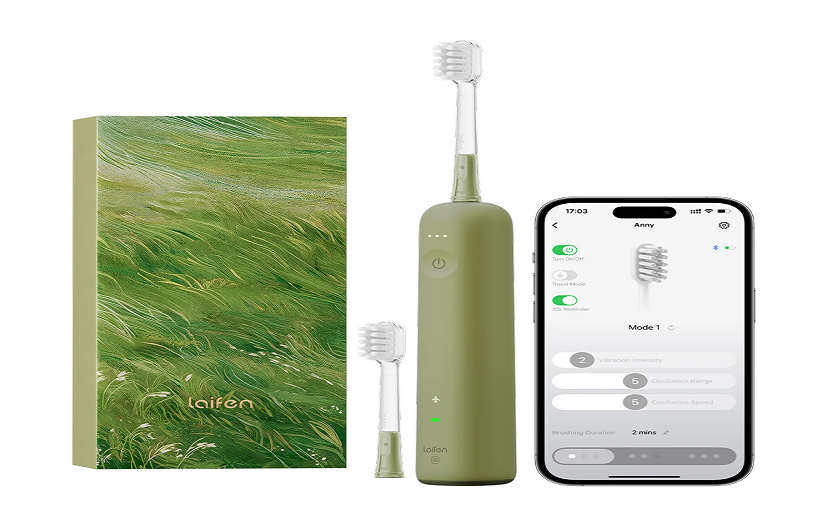
An electric toothbrush with a built-in timer sounds like a small upgrade, but the timer often makes the biggest difference. It does one job: it keeps you brushing long enough and nudges you to spread your attention across your whole mouth. That simple structure is exactly what many people are missing.
Here is what using an Electric toothbrush with a timer in everyday life—morning rush, late nights, travel days, kids, braces, and sensitive gums.
Why The Timer Matters
Most people overestimate how long they brush. “Two minutes” feels normal, but without a timer it is easy to stop early, especially when you are half awake or exhausted. A timer removes the guessing. You do not have to count or negotiate with yourself. You brush until the brush tells you the cycle is done.
Many models also give a short pulse every 30 seconds. The pulse is the secret feature. It helps you avoid spending almost all your time on the front teeth and forgetting the back molars and inner surfaces.
What The Two-Minute Cycle Feels Like
A typical cycle is two minutes total. With 30-second pacing, you can think in four sections. One simple pattern is:
- 0–30 seconds: upper right
- 30–60 seconds: upper left
- 60–90 seconds: lower right
- 90–120 seconds: lower left
You can start with outer surfaces, then on the next cycle focus more on inner surfaces and chewing surfaces. The point is not perfection. The point is that the pacing keeps you moving and prevents “random brushing.”
Real Morning Use: When You Are Rushing
Mornings are where the timer helps the most. Without one, people often do a quick swipe over the teeth they can see and move on. With a timed brush, you might still be in a hurry, but you are less likely to quit after 40 seconds.
A simple real-life trick: start brushing, then do one small task while you follow the pacing cues—fill your water bottle, straighten your shirt, or set your keys by the door. You are still present and guiding the brush, but the timer keeps you from cutting corners.
Real Night Use: When You Are Tired
At night, brushing is mostly a motivation problem. The timer helps because it turns brushing into a short, clear commitment. You are not deciding “Should I brush well tonight?” You are deciding “Can I stand here for two minutes?” That is an easier yes.
And when the brush stops, you are done. That clear ending matters more than people expect.
How People Actually Brush With It (The Best Way)
The most common mistake is using an Electric toothbrush with a timer like a manual brush: hard pressure and fast scrubbing. The better method is simpler:
- Place the brush head on the tooth and gumline.
- Use light pressure—just enough to keep bristles touching.
- Hold for a couple of seconds.
- Glide to the next tooth.
Think “guide and pause,” not “scrub.” When you do that, the timer becomes meaningful because you use the full two minutes to cover every tooth instead of racing through.
Gumline Cleaning: Where The Timer Quietly Helps
The gumline is often skipped because it is not as visible and can feel sensitive. The timer encourages slower brushing, and slower brushing naturally puts more time at the edge where the tooth meets gum. That is where daily plaque tends to collect.
If you notice mild bleeding when you first switch, it can happen when gums are inflamed and you are finally cleaning those areas. Keep pressure gentle and use a softer mode if needed. If bleeding is heavy or does not improve, checking with a dental professional is a good idea.
Kids And Teens: Less Arguing, More Routine
For families, a timer is like a neutral referee. Instead of a parent saying “Brush longer,” the toothbrush says it. Many kids respond better to that because it feels objective. A simple rule works well: brushing is not finished until the brush stops.
It also helps kids learn a real sense of time. Two minutes becomes familiar, not negotiable.
Braces, Crowding, And Dental Work
If you have braces, tight spacing, crowns, or a bridge, brushing well takes more attention. The timer gives you enough time to be deliberate. In real life, many people do this:
- First minute: outer surfaces (where brackets or visible buildup tends to be)
- Second minute: inner surfaces and chewing surfaces
Even a small shift—slowing down around brackets and the gumline—can make brushing feel more effective.
Travel And Busy Days
On travel days, routines fall apart. A Electric toothbrush with a timer helps because it makes brushing consistent anywhere: hotel bathroom, airport lounge, staying with family. If you travel often, battery life matters. A brush that lasts many days reduces the chance you skip brushing because the handle is dead.
What People Notice After A Few Weeks
Most changes are not dramatic; they are steady:
- Teeth feel smoother along the gumline
- Back teeth feel less “fuzzy”
- You notice missed spots faster
- You press less hard without thinking about it
- Two minutes becomes your default
How The Timer Helps You Cover Every Surface
A practical way to use the timer is to think in layers. On the first pass, focus on the outer surfaces (the side that faces your cheeks). On the second pass, focus on the inner surfaces (the side that faces your tongue). If you tend to forget chewing surfaces, spend the last 20–30 seconds of each cycle on the tops of the molars. You do not have to follow a strict map forever. The goal is to train your attention until “outer, inner, chewing” becomes automatic.
If you are new to electric brushing, start in a gentle or sensitive setting for a week. Once your mouth gets used to the sensation, you can switch to your normal daily mode—without increasing pressure.
In real life, the timer is the part that changes habits. It keeps you honest, keeps you balanced, and turns brushing into a simple, repeatable two-minute task. When brushing becomes that easy to repeat, it is much more likely to stick—and that is where the results come from.
I hope you find the blog useful and informative. Thanks for reading this post. You can shop for a high quality electric toothbrush with a timer at Laifen- Best brand for electric toothbrushes.