
What is CBD?
CBD, short for cannabidiol, is a compound extracted from hemp plants. Unlike THC, another compound found in cannabis, CBD does not induce the psychoactive effects commonly associated with marijuana use. The differentiation between hemp and cannabis is based on THC concentration; plants with less than 0.3% THC are classified as hemp, while those exceeding this limit fall under cannabis.
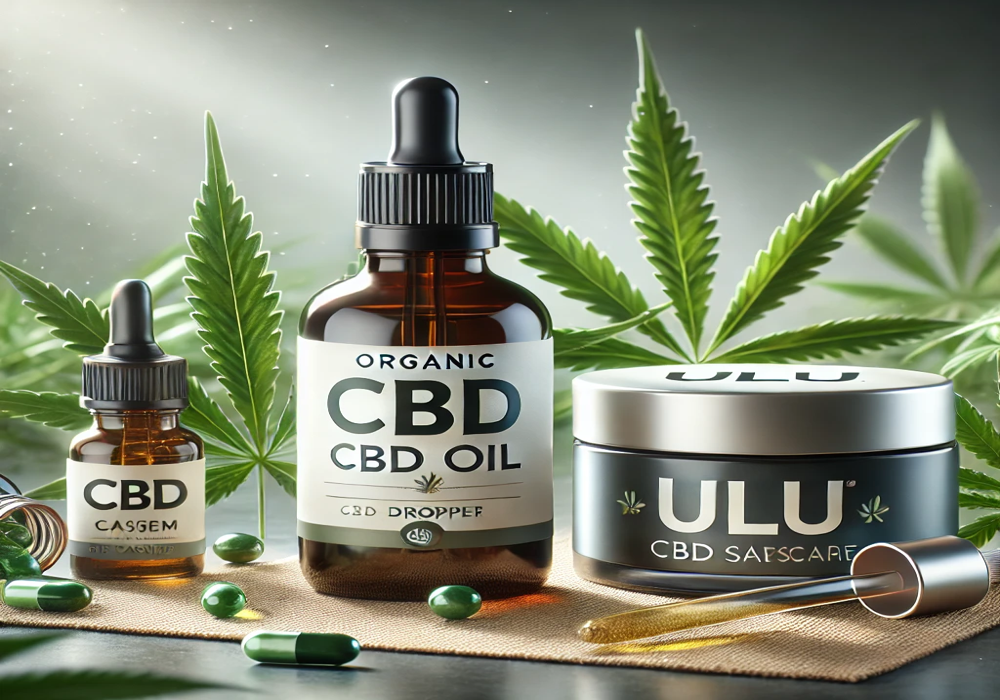
With an increasing number of products incorporating Organic CBD as an ingredient, its presence in wellness routines has grown substantially. Products range from oils, tinctures, capsules, and edibles to skincare and pet-related goods. Given its widespread use, understanding its properties and potential benefits is crucial.
How CBD Works in the Body
The human body contains an intricate system known as the endocannabinoid system (ECS), which plays a role in regulating mood, sleep, appetite, and pain responses. CBD interacts with receptors within this system, though the precise mechanisms are still under study. While some claim that CBD promotes relaxation and well-being, scientific consensus on its benefits is still developing.
Is CBD Safe?
CBD is widely regarded as safe for consumption, but it is important to consider potential side effects. Some individuals have reported drowsiness, dry mouth, changes in appetite, and digestive discomfort. When using CBD for the first time, it is advisable to start with a low dose and monitor how the body responds.
Certain medications may interact with CBD, so consulting a healthcare provider is recommended before integrating it into a wellness routine. Those who are pregnant, nursing, or managing chronic conditions should be particularly cautious.
Types of CBD Products
CBD products are available in various forms, each suited to different preferences and needs:
- CBD Oils and Tinctures: Administered sublingually, these allow for quicker absorption.
- Edibles and Capsules: Convenient and discreet, these provide a consistent dosage per serving.
- Topicals and Skincare: Designed for targeted relief, these are applied directly to the skin.
- Vapes and Inhalable Products: These offer rapid effects but may not be suitable for everyone.
Each method of consumption affects absorption rates and overall effectiveness. Consumers should select products that align with their goals and lifestyle.
Research and Scientific Findings
The FDA has only approved one CBD-based medication, Epidiolex, for treating rare forms of epilepsy. Studies on its efficacy demonstrated significant reductions in seizure frequency for individuals with conditions such as Dravet syndrome and Lennox-Gastaut syndrome.
Beyond epilepsy, researchers are investigating whether CBD may have applications in managing anxiety, sleep disturbances, chronic pain, and inflammation. Some preliminary studies have shown promising results, but more extensive human trials are needed to substantiate these claims.
Animal studies suggest potential applications in addressing stress-related behaviors, post-traumatic stress responses, and even substance dependency. However, without large-scale clinical trials, these findings remain inconclusive for human application.
Choosing High-Quality CBD
When purchasing CBD, it is essential to evaluate product quality and authenticity. Here are key factors to consider:
- Third-Party Testing: Look for certificates of analysis (COAs) that verify purity and cannabinoid content.
- Organic Sourcing: Products derived from organically grown hemp minimize exposure to pesticides and synthetic additives.
- Full-Spectrum vs. Isolate: Full-spectrum CBD contains multiple cannabinoids and terpenes, which some believe enhance its effects. Isolate, on the other hand, contains only CBD.
Brands such as ulu emphasize transparency and quality, ensuring customers receive safe and ethically sourced products. By prioritizing rigorous testing and sustainable practices, they maintain a commitment to consumer trust.
Potential Benefits of CBD
While research is ongoing, anecdotal evidence suggests that CBD may help with:
- Stress and Anxiety Relief: Some users report a calming effect, which may aid relaxation.
- Sleep Support: Certain formulations are tailored to improve sleep quality.
- Pain Management: Topicals and ingestible forms are often used for discomfort related to inflammation.
- Post-Exercise Recovery: Athletes and active individuals may find relief through topical applications.
Despite these promising aspects, it is important to remember that CBD should not replace prescribed treatments without professional consultation.
Legal Status and Regulations
CBD regulations vary based on location, making it essential for consumers to stay informed about local laws. While many countries allow CBD derived from hemp, restrictions may exist on certain formulations. In regions where CBD is legal, it is advisable to purchase from reputable sources that adhere to compliance standards.
Final Thoughts
CBD continues to gain recognition as a potential wellness supplement, yet scientific validation remains in progress. Those considering its use should prioritize education, consult healthcare professionals, and select reputable brands like ulu to ensure quality and safety.
As new research emerges, understanding CBD’s role in health and wellness will become clearer, providing consumers with better guidance on its applications. Until then, staying informed and making conscious purchasing decisions is the best approach.